What Did Jesus Mean by Calling Religious Leaders “Whitewashed Tombs”?
Hello, friend, and welcome to Jesus According to Jesus. This reflection belongs to our What Did Jesus Mean? collection. Its focus is this: What did Jesus mean when He spoke His most difficult, startling, and frequently misunderstood words? These articles examine His sayings in their immediate Gospel context, recover what His first hearers would have understood, identify…. Wherever you are in your understanding of Jesus, we invite you to listen thoughtfully and consider His words for yourself. Let’s begin.
What Did Jesus Mean by Calling Religious Leaders “Whitewashed Tombs”?
1. The Saying.
“You are like whitewashed tombs, which outwardly appear beautiful, but within are full of dead people’s bones and all uncleanness.”
Matthew 23:27–28
2. The Short Answer.
Jesus meant that impressive religious appearance can conceal spiritual death. His accusation targeted leaders whose public righteousness hid hypocrisy and lawlessness, making them dangerous precisely because they looked trustworthy.
3. What Jesus Said—and Why.
The image appears in Jesus’ public denunciation of scribes and Pharisees shortly before His arrest. He had already charged them with seeking honor, burdening others, neglecting weightier matters, and cleaning only the outside. The tomb metaphor brings the indictment to its sharpest point.
4. What His First Hearers Would Have Heard.
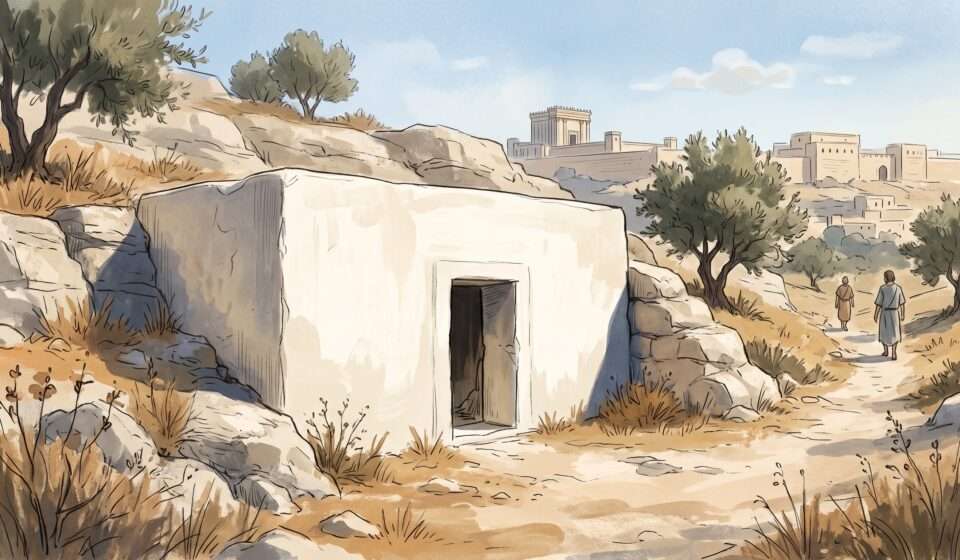
Contact with a grave could make a person ceremonially unclean. Tombs could be marked or whitened so travelers would not unknowingly touch them. A bright exterior therefore warned of death within. Jesus transformed that image into a verdict on religious hypocrisy.
5. What Jesus Was Affirming, Confronting, or Demanding.
Jesus affirmed that true righteousness is inwardly real and outwardly consistent. He confronted spiritual leadership built on reputation, performance, and concealed lawlessness. He demanded truth before God rather than admiration before people.
6. What This Saying Does Not Mean.
Jesus was not condemning every Pharisee in every respect, nor was He authorizing casual insults against religious opponents. This was a prophetic judgment from the Messiah against entrenched, harmful hypocrisy. It should make readers examine themselves before using it as a weapon against others.
7. What This Means for Us Now.
Religious beauty can become camouflage. Sound vocabulary, public ministry, moral reputation, and institutional status do not prove spiritual life. Jesus looks beneath the whitewash. The proper response is not cynical rejection of all religion, but repentance, transparency, and the life that only He can give.
8. For Further Reflection.
- Are you more invested in appearing righteous than becoming truthful before God?
- What hidden death might your reputation be concealing?